
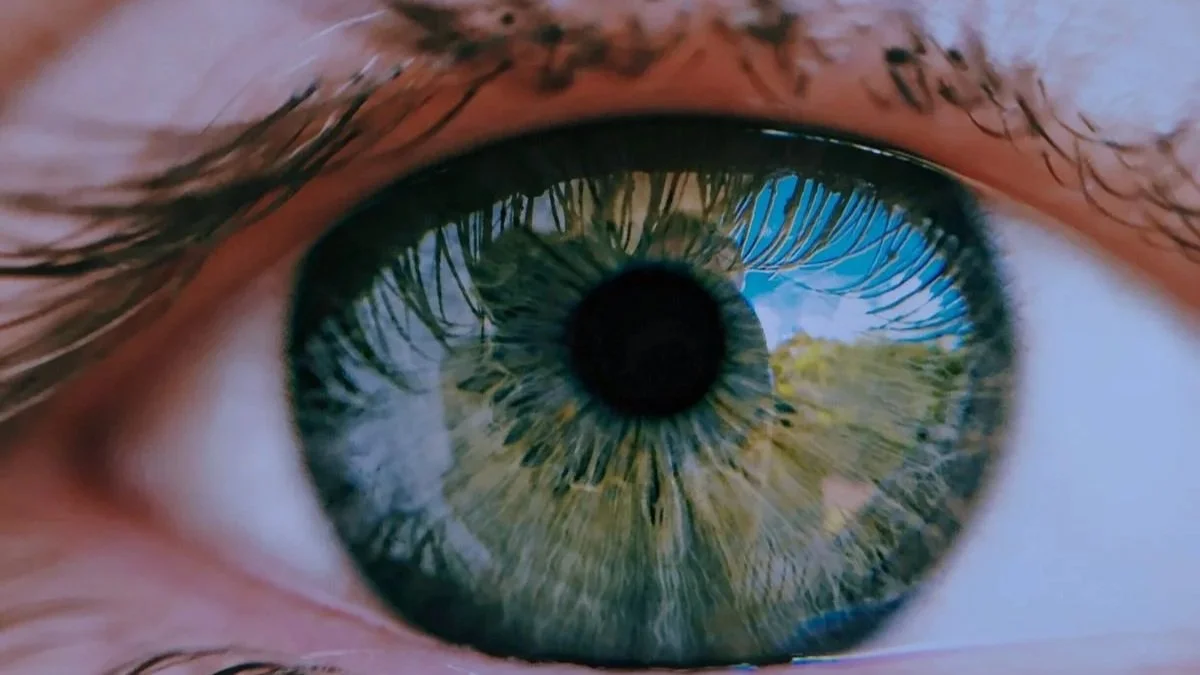
Low Vision is a visual disability that cannot be corrected with conventional glasses, medications, or surgery and which interferes with the ability to perform activities of daily living such as reading, dodging obstacles, and recognizing signs. It is 7x more common than blindness.
Mobility issues are the most disabling consequence of Low Vision, causing falls, injuries, dependency and isolation.
Those problems are most severe when there is Peripheral Vision Loss (PVL), as happens in diseases like Glaucoma or Retinitis Pigmentosa.
Affects 250M People Worldwide
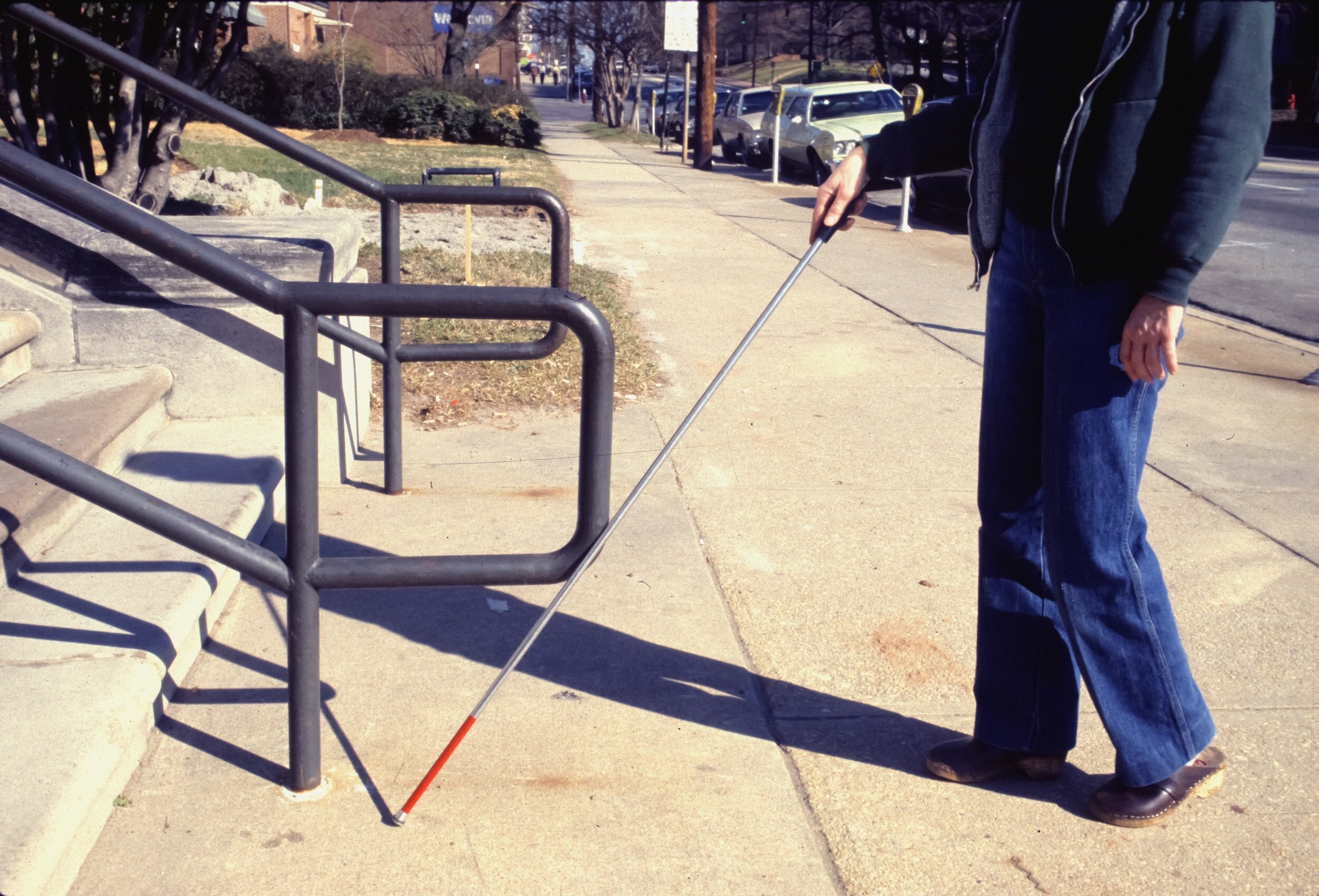
CANNOT BE CORRECTED
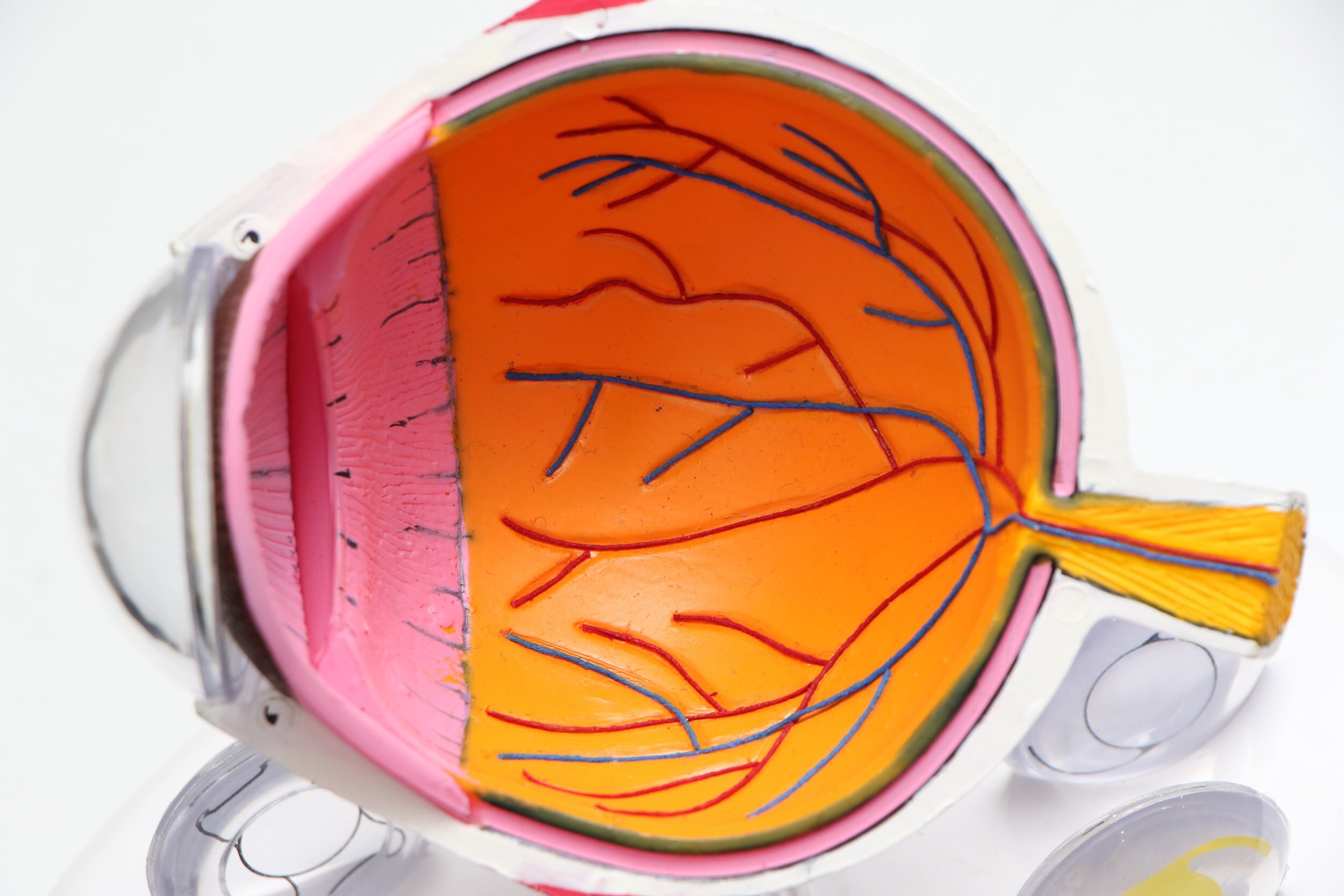
LEADS TO FALLS, INJURIES, DEPENDENCY AND SOCIAL ISOLATION
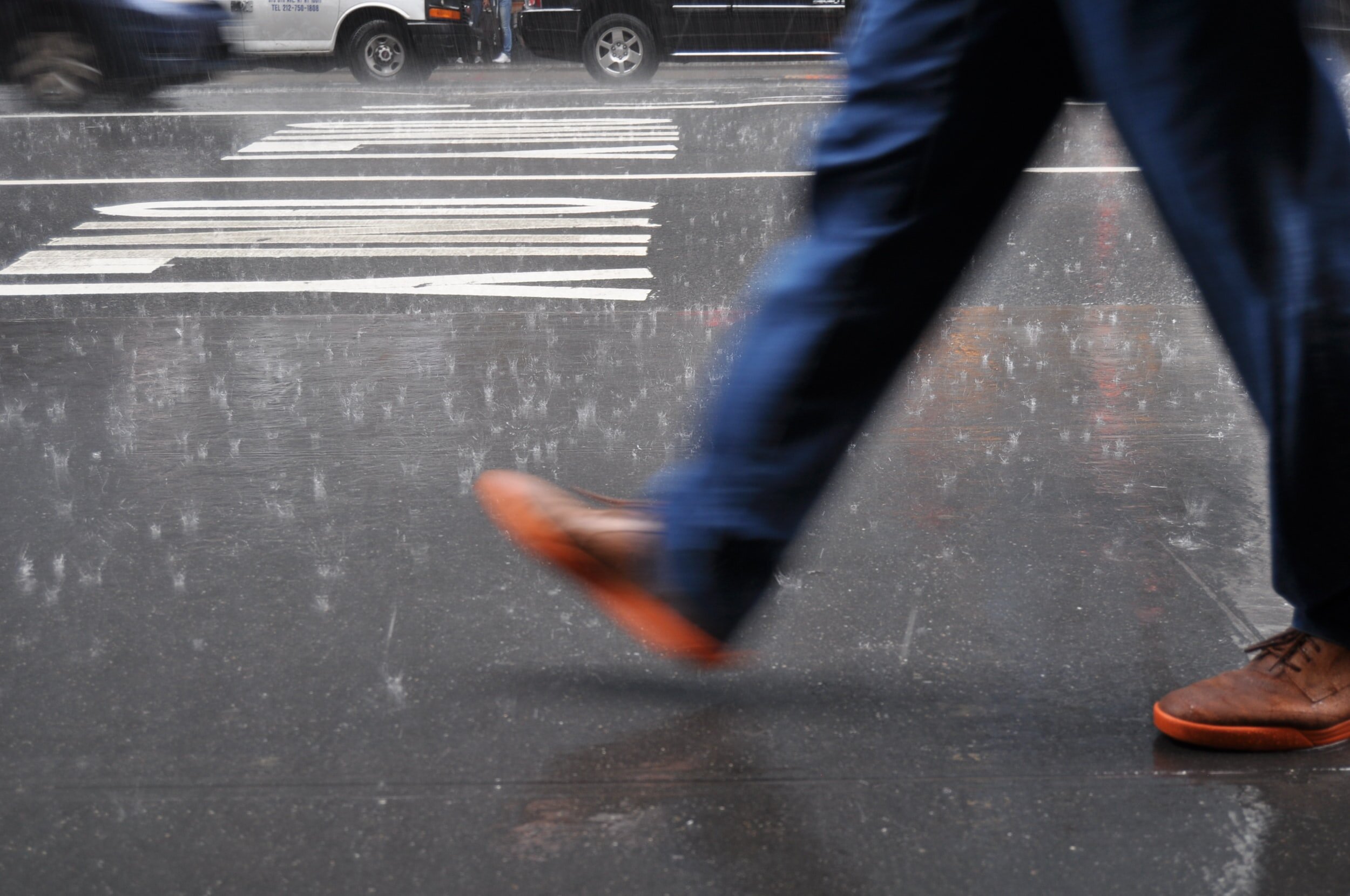
Parameters
The percentage of vision that the person retains is called ‘RESIDUAL VISION’ and is defined by two parameters:
VISUAL ACUITY
Ability to distinguish shapes and objects at a certain distance.
VISUAL FIELD
Angle of view of each eye. Because of LV, it can be reduced peripherally or vertically; in the central area or randomly in the form of spots.
LV can affect in many different ways depending on the combination of these two parameters that manifest differently depending on the cause from which they originate.
Causes & Effects

Cataracts cause loss of visual acuity.

Macular Degeneration and Stargardt Disease affect the central field of vision.

Diabetic Retinopathy creates random distribution spots.
Retinitis Pigmentosa and Glaucoma cause loss of peripheral visual field.

Hemianopia can be caused by vascular accidents or trauma and causes the loss of the upper or lower visual field.

Albinism is related to loss of contrast.